
How High-Growth Teams Eliminate Leave Chaos Once They Cross 50 Employees
Spreadsheet PTO trackers collapse at 50 people. Here is how modern people ops leaders build fair, frictionless leave architectures.


- Leave disputes usually stem from invisible balances and surprise overlapping team absences.
- Multi-tiered approval hierarchies must integrate directly with shared team calendars and Slack/Teams alerts.
- Automated accrual calculations prevent carryover disputes and compliance headaches during year-end transitions.
When your company is 15 people, taking time off is simple: you post a message in the team chat, write it on a shared whiteboard, and everyone adjusts. But once headcount hits 50, that casual approach rapidly spirals into coverage gaps, payroll disputes over carryover days, and frustrated managers.
The 3 Pillars of Frictionless Leave
Modern teams need three core capabilities to keep leave peaceful: instant self-service balance transparency for employees, intelligent conflict detection for team leads, and automated policy enforcement that doesn’t require human policing.
"A good leave policy doesn’t restrict people — it gives them total psychological safety to recharge without leaving their team in a blind spot."
— Sarah Chen, VP of People & Culture
People leader focused on high-trust remote culture, compensation philosophy, and performance architecture.
Related Dispatches & Guides
View all stories
Why Attendance and Payroll Belong in the Same System: The End of Reconciliation Drift
When time tracking and payroll operate in disconnected silos, HR teams waste up to 42 hours per cycle cross-checking spreadsheets. Discover how a unified platform eliminates reconciliation drift forever.

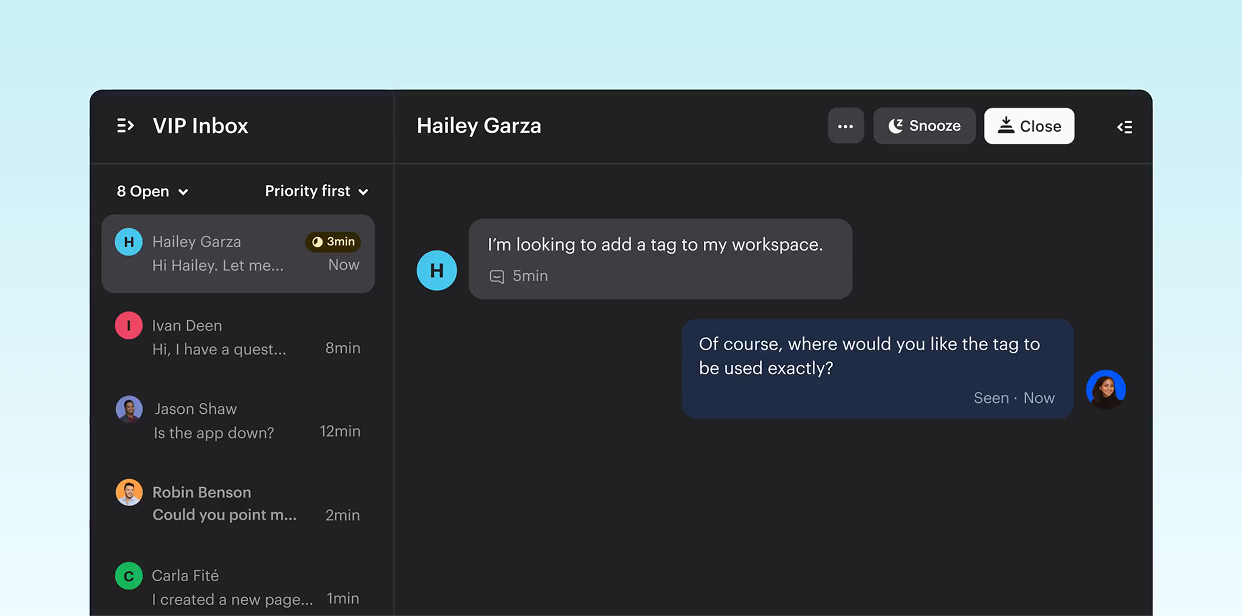
From Ticket Queues to Instant Answers: How AI Copilots Handle 80% of HR Inquiries
Employees shouldn’t have to wait 3 days to ask how many paternity days they have left or how to claim health benefits. How AI assistants provide secure, verified answers in seconds.
